



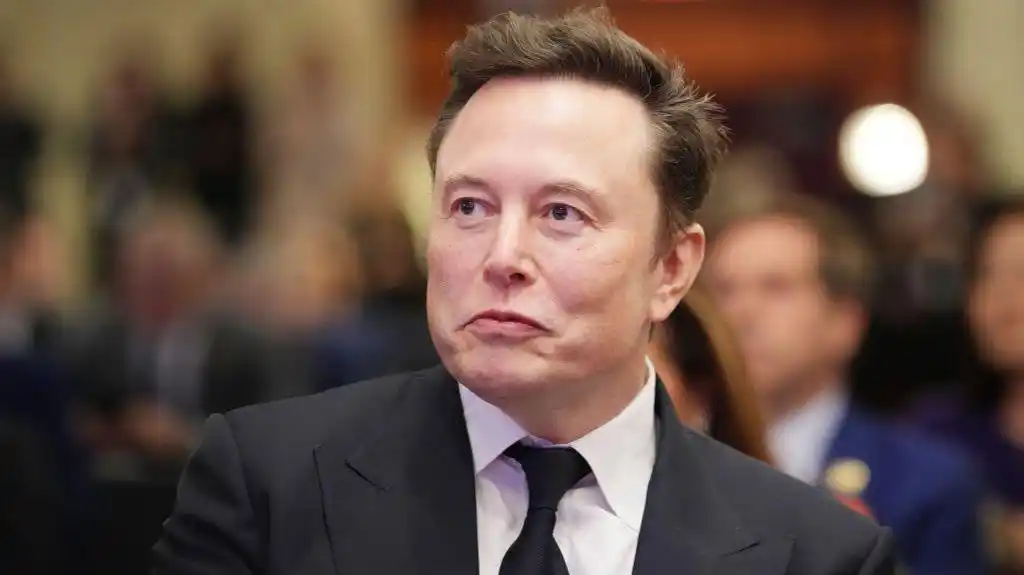
Elon Musk’s hair has become an unexpectedly persistent pop-culture mystery—one that resurfaces every time a new interview clip, conference photo, or red-carpet snapshot makes the rounds. People aren’t just curious because he’s famous; they’re curious because the change appears gradual yet striking, and it raises a straightforward question: Where did Elon Musk get his hair? In other words, what likely happened between the thinner, more recessed look seen in earlier years and the fuller hairline people recognize today?
If you’ve typed “Where did Elon Musk get his hair?” into a search bar, you’re not alone. The short answer is that only Musk (and his medical providers, if any) could confirm specifics, and no public record definitively proves a single procedure, clinic, or timeline. Still, by looking at how hair restoration typically works—and by comparing what’s plausible versus what’s unlikely—we can build a realistic, measured explanation without turning speculation into certainty.
Where Did Elon Musk Get His Hair? What We Can Say Without Pretending We Know the Private Details
To answer “Where did Elon Musk get his hair?” responsibly, it helps to separate three things: what’s publicly observable, what’s medically plausible, and what’s pure guesswork. Elon Musk’s hair looks different today than it did decades ago, and that much is visible across widely circulated photos and video. The more complicated part is why it changed.
Here are the most plausible explanations people discuss when analyzing Elon Musk’s hair—none of which can be confirmed without direct disclosure:
- A hair transplant procedure (or procedures) performed by a medical team
- Medical therapy aimed at stabilizing hair loss (commonly discussed options include prescription and topical approaches)
- A combination of transplant + medical therapy + improved styling
- Camera, lighting, grooming, and hair-cut choices that enhance perceived density
- Temporary cosmetic concealers (used by many men, not only celebrities)
This list is intentionally practical: it reflects common paths people take when addressing recession or thinning. The key point is that Elon Musk’s hair could plausibly be the result of multiple inputs over time, not one dramatic, overnight change.
The “Before and After” Timeline People Notice in Elon Musk’s Hair
When the public talks about Elon Musk’s hair, the conversation usually starts with early images: a more pronounced recession at the front and temples, and a thinner appearance overall. Later images show a denser-looking hairline and more consistent coverage. That visual contrast is what makes the question “Where did Elon Musk get his hair?” feel so compelling.
In hair restoration terms, gradual change matters. A transplant—if one occurred—doesn’t typically look “finished” immediately. Hair growth after any surgical restoration tends to follow a predictable arc: initial healing, a period where transplanted hairs may shed, then progressive regrowth over months. That kind of timeline can create the impression of a slow improvement rather than a sudden switch.
There’s also a perception element. Elon Musk’s hair in earlier media often appears under harsh lighting, with shorter cuts that can emphasize recession. In later appearances, Elon Musk’s hair is frequently styled to frame the face, sometimes with more length or texture on top—choices that can visually soften a hairline even without medical intervention. Add higher-resolution cameras, professional grooming, and more consistent on-camera styling, and the “difference” can look bigger than it is.
The most grounded interpretation is this: Elon Musk’s hair looks like it evolved, and that is consistent with either careful styling changes over time, or a combination of restoration steps that are designed to look natural rather than dramatic.
Was It a Hair Transplant? The Case for “Likely, But Not Provable”
If you’re asking “Where did Elon Musk get his hair?” you’re probably also asking the unspoken follow-up: did he get a hair transplant? The reason many people suspect a transplant is simple: certain improvements—especially a more solid frontal hairline—can be difficult to achieve with styling alone when recession has progressed.
That said, it’s important not to overstate what any outsider can know. Hairlines can look different from one year to the next due to angle, hair length, density styling, and even minor fluctuations in hair shedding cycles. But when the public sees a sustained change across many appearances, transplant speculation becomes common.
From a technical standpoint, modern hair transplants (often discussed in terms of FUT and FUE) can create natural-looking hairlines when planned conservatively and executed well. A “conservative” plan is an important concept here: experienced doctors often avoid overly low, youthful hairlines on adults because they may not age naturally if additional loss occurs. If Elon Musk’s hair restoration involved a transplant, a more mature, natural hairline design would be consistent with what many clinics aim for.
Another reason the transplant theory persists is because the change in Elon Musk’s hair looks structured: the frontal framing appears stronger, while the overall look remains believable. That kind of effect can align with the way transplants typically prioritize visible zones—especially the hairline and front third—because those areas influence the face the most.
So, was it a transplant? It’s plausible and widely speculated. But the honest answer to “Where did Elon Musk get his hair?” is that there’s no confirmed public disclosure that identifies a clinic, country, or surgeon.
Could Medication or Non-Surgical Treatments Explain Elon Musk’s Hair?
Even if a transplant is part of the explanation people attach to Elon Musk’s hair, non-surgical options often play a role in real-world hair restoration plans. That matters because hair loss is frequently progressive: improving the hairline doesn’t automatically stop future thinning behind it.
Many men use medical therapy to stabilize ongoing loss, improve miniaturized hairs, or reduce shedding. These approaches aren’t magic and they don’t work the same way for everyone, but they’re commonly discussed in hair-loss care because they can complement procedural work. If Elon Musk’s hair improved over time, it’s reasonable to consider that a stabilization strategy—supervised by a clinician—could have contributed.
There’s also a category of “appearance-enhancing” options that are not surgery and not prescription therapy: scalp micropigmentation, thickening fibers, and professional blow-dry/styling routines can all change how dense hair appears on camera. These techniques can be especially convincing under stage lighting, where contrast and shadow shape what people perceive.
One subtle point: the public often imagines a single solution—“He got a transplant and that’s it.” But in many real cases, people combine approaches: a procedure to rebuild a framing hairline plus a routine to protect existing hair, plus styling choices that maximize texture. That layered approach could explain why Elon Musk’s hair looks consistent rather than artificial.
So, when you ask “Where did Elon Musk get his hair?” a reasonable answer is: possibly from a comprehensive plan rather than one standalone fix—even though the specifics remain private.
The Role of Styling, Lighting, and Public Image in the Elon Musk Hair Conversation
Elon Musk’s hair is discussed like a medical case study online, but it’s also part of a media ecosystem. How someone looks on stage or in a studio is not the same as how they look in casual daylight. Camera lenses, lighting rigs, hair products, and professional grooming can significantly alter how a hairline reads.
For example, strong overhead lighting can expose scalp more easily, especially in fair hair or in hair that’s cut very short. Conversely, softer lighting and slightly longer top length can reduce scalp visibility and create a more uniform silhouette. Even a small change in how hair is directed—forward versus up and back—can change the perception of recession.
This is why “Where did Elon Musk get his hair?” can’t be answered purely by comparing two photos. A single image is a snapshot of variables: angle, styling, density at that time, and sometimes the effects of travel or stress. In Elon Musk’s hair story, the more credible signals come from repeated appearances over long spans, where the hair looks consistently fuller, not just “better in one picture.”
It’s also worth noting that celebrity grooming tends to improve over time with access and experience. Someone who becomes more visible globally may adopt a styling routine that suits their face and hair pattern better. That doesn’t rule out medical intervention—but it does explain why the “transformation” can look bigger than a single underlying cause.
What This Teaches You If You’re Researching Hair Restoration for Yourself
The question “Where did Elon Musk get his hair?” is fun to debate, but it’s most useful when it leads to smarter consumer thinking. The real lesson isn’t about a celebrity’s private decisions; it’s about how hair restoration is often misunderstood.
First, hair restoration is usually a process, not a moment. Whether someone chooses medical therapy, a procedure, or both, the best outcomes tend to come from careful planning, realistic expectations, and time. That’s why quick “overnight transformation” narratives can be misleading.
Second, any reputable clinic will discuss limitations. Donor supply, hair caliber, contrast between hair and scalp, and ongoing loss patterns all shape what’s achievable. Two people can start with similar recession and end with different results because biology and planning choices differ.
Third, if you’re considering treatment, focus less on celebrity comparisons and more on a case-specific plan: pattern stability, donor assessment, and a long-term strategy that can still look natural years later. Elon Musk’s hair fuels curiosity because it appears to have changed in a controlled way over time—exactly the kind of effect most patients want: subtle, believable, and aligned with their age and face.
Finally, remember that online speculation tends to flatten nuance into a single headline. “He got a transplant” becomes the entire story, even though real outcomes typically involve multiple decisions: hairline design, density distribution, aftercare, and sometimes ongoing maintenance.
So, where did Elon Musk get his hair? The most responsible conclusion is: we can’t confirm the location or provider publicly, but the most plausible explanation is a combination of modern restoration options and professional presentation over time. Elon Musk’s hair may be a mystery in specifics, but the broader mechanics are familiar to anyone who follows hair loss and restoration.