


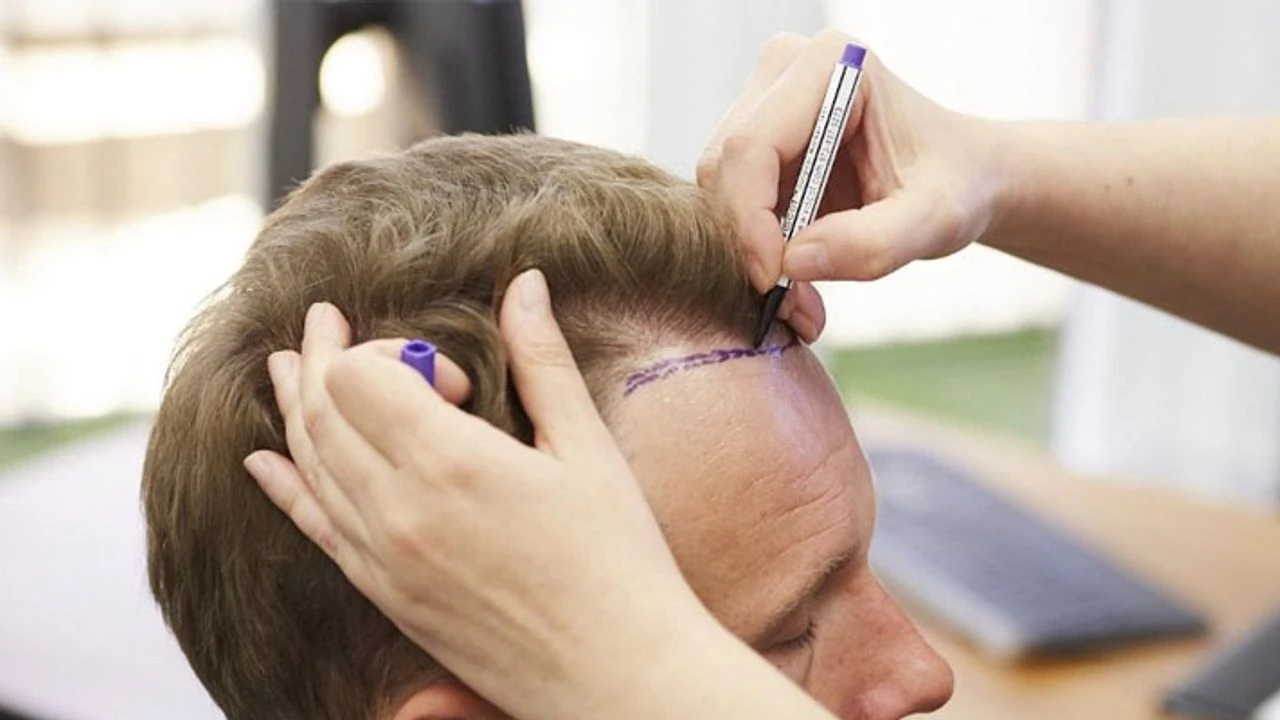
Hair transplants are often talked about in “before-and-after” terms, but the real question most people eventually ask is quieter and more practical: what does this look like years later, once the excitement fades and normal life (and normal aging) continues? If you’re considering a procedure—or you had one a while ago—thinking in decades rather than months is the smart way to set expectations.
So, what happens 20 years after a hair transplant, he honest answer is usually a mix of good news and normal reality: transplanted hair can remain for a very long time, but your overall look may still change as your native hair continues to thin, your hair texture matures, and your style and face shape evolve. The best long-term outcomes tend to come from conservative planning, responsible donor use, and a strategy that anticipates future hair loss rather than pretending it won’t happen.
What Happens to Transplanted Hair Over 20 Years?
Most modern hair transplants move follicles from the “donor zone” (typically the back and sides of the scalp) to thinning areas. Those donor follicles are commonly chosen because they’re more resistant to the hormonal patterns that drive typical male pattern hair loss. For many people, that resistance can translate into long-lasting growth—sometimes for decades.
That said, “long-lasting” doesn’t mean “unchanged.” Over 20 years, transplanted hair can still undergo natural aging processes:
- Hair caliber can gradually change with age. Even hair that remains can become slightly finer or less dense-looking over time, just as it might on any part of the scalp.
- Growth cycles may slow subtly as you get older. This can affect how quickly hair grows and how it behaves with styling.
- Color and texture can shift, including greying and changes in curl or wave pattern, which can alter the perceived thickness.
In practical terms, many people still see transplanted hair growing years later, but the overall hairstyle outcome depends on what’s happening around it. If you had a transplant to rebuild a hairline, that hairline can remain—yet the hair behind it may continue thinning, creating a “see-through” zone unless the long-term plan accounted for it.
Why Results Can Look Different at Year 20: Ongoing Hair Loss Around the Transplant
When people ask what happens 20 years after a hair transplant, they’re often really asking why some long-term photos look fantastic while others look a bit “unbalanced.” The biggest reason is usually continued loss of native (non-transplanted) hair.
A transplant relocates hair; it does not stop the underlying tendency toward pattern thinning. Over two decades, it’s common for hair loss to progress in areas that weren’t transplanted—or even in areas that were partially filled but still had vulnerable native hairs between grafts.
This is why responsible surgeons often emphasize:
- Conservative hairline design that can still look natural if recession continues.
- Density planning that avoids using too many grafts early, leaving donor supply for the future.
- Long-term pattern forecasting, especially for younger patients who haven’t “declared” their final hair loss pattern yet.
In real life, a 20-year outcome often comes down to whether the transplant was planned like a single event or like a chapter in a longer story. A hairline that looks appropriate at 30 may look unusually low at 50. Conversely, a slightly higher, mature hairline can age more naturally and require fewer “maintenance” procedures later.
Donor Area and Scarring After Two Decades: What Usually Changes (and What Doesn’t)
Another part of “what happens 20 years after a hair transplant” is the donor area—because that’s the finite resource that makes everything possible.
Two decades later, the donor area typically doesn’t “fail,” but it may reveal the choices made at the time:
If you had FUT (strip method):
A linear scar at the back of the scalp may remain. For many people it stays thin and hidden under longer hair, but its visibility can change depending on hairstyle, scalp laxity, and how the scar matured. Some people become more scar-conscious later in life when they prefer shorter haircuts, which can influence styling decisions.
If you had FUE (follicular unit extraction):
There isn’t a single line scar, but there may be diffuse dot scarring across the donor zone. In many cases it’s subtle, yet it can be more noticeable if extractions were too dense, if the donor was overharvested, or if the person wears a very short cut.
Across both methods, the biggest long-term donor risk tends to be overharvesting—taking too many grafts from a limited area, which can create a thin or “moth-eaten” look in the donor zone years later. High-quality planning usually prioritizes donor preservation, because a 20-year horizon often includes the possibility of:
- additional thinning,
- a desire for refinement work,
- or new priorities (like wanting shorter hair).
In other words, the donor area becomes more important over time, not less.
Do People Need a Second Hair Transplant After 20 Years?
Some people do. Some people don’t. A second procedure isn’t automatically “required,” but it becomes more common when:
- hair loss progressed significantly behind transplanted regions,
- the original session was conservative and only addressed the frontal zone,
- someone wants more density as styling preferences change,
- or new thinning patterns emerge with age.
A meaningful point here is that “needing” a second procedure is often a matter of aesthetic preference, not a medical necessity. One person may be perfectly satisfied with a mature, slightly thinner look that still frames the face well. Another may want more coverage in the mid-scalp or crown as life and professional needs evolve.
If you’re wondering whether you might benefit from a reassessment, these are common reasons people book a long-term follow-up (this is the only bullet list in this article):
- You like your hairline, but the area behind it has become noticeably thinner
- Your crown has opened up more than expected over the years
- Styling takes significantly more effort to look “full” than it used to
- You’re unhappy with the transition between transplanted and native hair
- You’re considering a shorter haircut and are concerned about donor appearance
Any decision about a second transplant should be grounded in donor availability, scalp health, and realistic goals—because the donor supply is not unlimited, and the objective at year 20 is usually natural balance, not dramatic change.
How to Make a Hair Transplant Age Well: Long-Term Care and Realistic Planning
If you’re asking what happens 20 years after a hair transplant because you want the best chance of a stable, natural look, the focus should be less on “perfect density” and more on aging well.
1) Choose a plan that anticipates future loss
The best-looking long-term cases are often the ones that didn’t chase an aggressively low hairline or max-out graft usage early. Building a hairline that suits your face today and still makes sense later is a classic hallmark of good planning.
2) Protect native hair when appropriate
Many people discuss medical therapy as a way to slow ongoing loss and maintain harmony between transplanted and native hair. This is not a do-it-yourself decision—any medication or treatment should be discussed with a qualified clinician who can explain benefits, limitations, and potential side effects for your situation.
3) Treat the crown differently than the hairline
The crown can swallow grafts and still look thin, especially if loss progresses. Over decades, crown work often requires careful strategy and sometimes staged planning. That’s why some long-term outcomes look great from the front but less dense on top: it’s not always “failure,” it’s the reality of coverage physics and donor limits.
4) Plan hairstyles and grooming with the future in mind
At year 20, many people care more about effortless daily styling than they did at year 1. A transplant that’s designed for low-maintenance styling—natural angles, appropriate density distribution, and a hairline that doesn’t demand constant camouflage—tends to be appreciated more as time passes.
5) Maintain scalp health and general hair care
Scalp inflammation, harsh chemical use, excessive heat styling, and chronic sun exposure can affect hair quality over time. Simple consistency—gentle cleansing, avoiding aggressive traction, and protecting the scalp—can help the hair you have look better for longer.
The Bottom Line at 20 Years
So, what happens 20 years after a hair transplant? In many cases, transplanted hair can still be growing and contributing meaningfully to your look. The bigger variables are what happened to your native hair, how conservatively the procedure was designed, and how well the donor area was preserved. The best long-term outcomes usually don’t look “too perfect”; they look believable, age-appropriate, and balanced—even as your hair naturally changes with time.
If you’re evaluating a transplant now, think like you’re designing a result for future you, not just the mirror you’ll see next year. And if you already had a transplant, a periodic professional review can help you decide whether you need anything at all—or simply a smarter styling and maintenance strategy moving forward.