


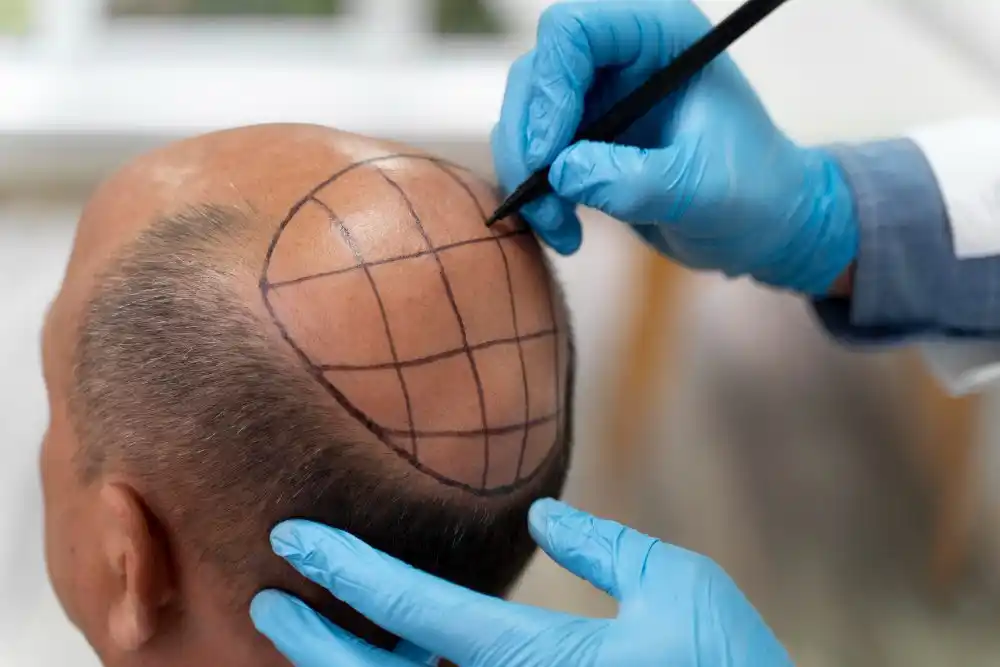
Hair transplant Turkey is a cosmetic procedure. It moves hair follicles from one area to a bald spot. Turkey is now a popular place for hair restoration.
This is because of low prices and skilled surgeons. Common techniques include FUE (Follicular Unit Extraction) and DHI (Direct Hair Implantation).
Clinics often provide package deals including transfers, and aftercare. The procedure is minimally invasive and usually completed in one day. Recovery time is short, and most patients return to normal life within a week. High success rates and natural-looking results make Turkey a top destination for hair transplants.
What is Hair Transplant?
A hair transplant Turkey is a surgery that moves hair follicles from one area to another. It takes hair from a donor area and places it in a balding or thinning area. This treatment helps men with male pattern baldness.
The most popular techniques are FUE (Follicular Unit Extraction) and FUT (Follicular Unit Transplantation). Results are permanent and natural-looking when performed by experienced professionals. Recovery is generally quick, with visible hair growth starting within a few months.
Hair Transplant Turkey Cost 2026
Hair transplant Turkey typically costs between US $1,500 and US $7,000 in 2026, depending on the technique and graft count.
Prices vary based on factors like the number of grafts, whether the method is FUE or DHI. All inclusive packages (covering surgery, aftercare, and often hotel and transport) may influence the total cost.
Why Turkey Is a Popular Choice for Hair Transplant Patients?
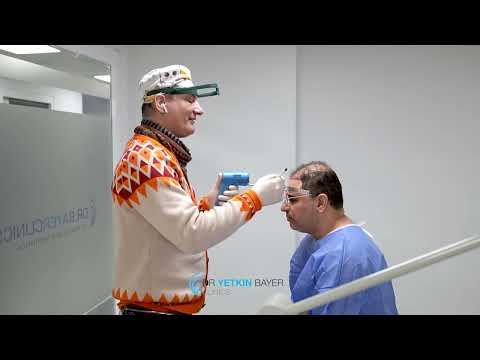
Turkey, especially Istanbul, is now a key place for hair transplant procedures. It has skilled medical teams, many patients, and travel packages that make things easier. Many clinics provide airport transfers, hotel bookings, and interpreters.
However, just because a place is popular does not mean it is perfect. The quality of care can differ a lot between clinics. A good experience depends on a few key factors. These include the clinic’s standards, the surgeon’s skill, and their ability to explain what you can expect for your hair type and hair loss.

What a Hair Transplant Actually Does (and Doesn’t Do)
A successful hair transplant works with your existing hair biology. Follicles taken from the donor zone tend to be more resistant to DHT, the hormone linked to androgenetic alopecia (male and female pattern hair loss).
Because of that resistance, transplanted hairs usually remain long-term. However, a transplant does not stop ongoing loss of your native hair behind the transplanted zone. That’s why good clinics talks long-term planning, not just a dramatic hairline.
A high-quality transplant focuses on balance: rebuilding the hairline and frontal density without over-harvesting the donor area. The donor region is not unlimited. Once it’s over-extracted, it may look patchy, and future sessions become difficult. That’s why realistic graft planning is a major factor in natural, sustainable results.
Who Is a Good Candidate for a Hair Transplant?
Most candidates have stable pattern hair loss, adequate donor density, and realistic expectations about density and coverage. People with diffuse thinning can still be candidates. However, they need careful assessment.
Extracting from a weak donor can worsen overall appearance. Younger patients can have procedures, but early hairlines may look unnatural if they keep losing hair as they age.
A good evaluation looks at the pattern of hair loss, hair thickness, curl or wave, scalp-to-hair contrast, and family history. Thicker hair and lower contrast often produce fuller-looking results with fewer grafts. Fine hair and high contrast may require more conservative goals or multiple sessions for the best outcome.
Hair Transplant Techniques: FUE, DHI, and FUT
Hair transplant techniques include FUE, DHI, and FUT, each offering unique benefits for different hair restoration needs.
- FUE (Follicular Unit Extraction) involves extracting individual follicles and implanting them into the balding area, leaving minimal scarring.
- DHI (Direct Hair Implantation) offers a more advanced method that implants follicles directly using a Choi pen, which allows for greater precision.
- FUT (Follicular Unit Transplantation) removes a strip of scalp from the donor area.
Each technique varies in healing time, cost, and results. Choosing the right method depends on hair loss level, donor area quality, and your doctor’s recommendation.
Do Hair Transplant Turkey Packages Cover Hotels?
Yes, most hair transplant Turkey packages include hotel, airport transfers, and post-operative care services. Clinics often partner with nearby 4-star or 5-star hotels to ensure patient comfort during recovery.
The package typically covers a 2 to 4-night stay, depending on the procedure. Some clinics also provide personal translators and transportation between hotel and clinic. This approach makes Turkey an attractive destination for medical tourism.
Recovery Timeline After Hair Transplant
The recovery timeline after a hair transplant typically spans several months. But most people return to normal activities within a week.
- Day 1–3: You’ll notice mild swelling, redness, and tiny scabs around the grafts. Surgeons usually advise sleeping with your head elevated and avoiding touching or washing the transplanted area. This early stage is all about protecting the grafts.
- Day 4–7: Most patients can gently wash their scalp using the recommended method. Scabs begin to fall off naturally, and discomfort usually decreases. By the end of the first week, many people feel comfortable returning to work, especially with FUE procedures.
- Week 2–3: The transplanted hairs often shed—a completely normal part of the hair transplant recovery timeline. This “shock loss” can feel alarming, but the follicles remain intact and ready to grow new strands.
- Month 1–3: Your scalp starts looking normal again, and early growth may appear as fine, thin hairs. This period focuses on healing below the surface, even if results aren’t visible yet.
- Month 4–6: New hair becomes more noticeable. Density improves, and strands thicken. Many patients report their first meaningful boost in confidence during this stage.
- Month 6–12: Significant growth occurs as the transplanted hair matures and blends with existing hair. Most people see 60–80% of their final results by month 12.
- Month 12–18: Hair becomes dense, natural-looking, and fully integrated with your normal growth cycle.
Frequently Asked Questions
Must one have a visa for hair transplant Turkey?
Whether you need a visa for a hair transplant Turkey depends on your nationality and length of stay. Most visitors from visa‑exempt countries can enter Turkey without a visa for short stays (up to 90 days). Applicants from other countries generally must obtain an e‑Visa or appropriate entry permit before travelling.
Will I feel any pain during the hair transplant procedure?
The injection may cause some brief discomfort, but the procedure is mostly painless. Once numb, you won’t feel the extraction or implantation of follicles.
Some patients notice mild pressure or vibrations, but no sharp pain. After the procedure, you might feel slight soreness, itching, or tightness. This is manageable with prescribed medications. Recovery is usually smooth, with little discomfort if you follow post-op instructions.
Are the results of a hair transplant permanent?
Yes, hair transplant results are permanent. The transplanted hair follicles resist hair loss.
Follicles taken from the donor area, usually the back of the head, keep their genetic resistance to balding. This means they continue to grow in their new location. Once transplanted hair follicles fully heal and adapt, they grow naturally for a lifetime. It takes several months to see visible results, with full growth typically achieved within 12 to 18 months.
Is it safe to have a hair transplant Turkey?
Yes, having a hair transplant Turkey is generally safe when performed by experienced and licensed medical professionals.
However, safety depends on choosing a reputable clinic with certified surgeons, proper hygiene protocols, and transparent procedures. When done correctly, hair transplants in Turkey deliver excellent, natural-looking results with minimal risks.
How many days do I need to stay in Turkey?
For a standard hair transplant procedure, we generally recommend a stay of three days and two nights in Turkey. On the first day, you arrive and we conduct your consultation and blood tests. On the second day, we perform the surgery which takes about six to eight hours.
On the third day, you come to the clinic for a final check-up and the first wash, after which you are free to fly back home. This schedule allows enough time for a safe and complete medical service.
How should I sleep after the hair transplant operation?
After a hair transplant, you should sleep on your back with your head elevated at a 45-degree angle. This position helps reduce swelling and prevents contact with the transplanted grafts, which is crucial during the first 7 to 10 days.
Avoid sleeping on your stomach or sides, as this can dislodge grafts and affect healing. Use a travel pillow or extra pillows to maintain head support and minimize movement during sleep. Keeping the area clean and avoiding pressure will support graft survival and encourage proper recovery.
What happens 10 years after a hair transplant?
Ten years after a hair transplant, most patients still retain their transplanted hair, which continues to grow naturally. The results are generally permanent because transplanted follicles are resistant to DHT, the hormone responsible for hair loss. However, surrounding native hair may thin over time if not treated.
Some individuals may choose additional transplants to maintain density or address new thinning areas. Proper scalp care, medications like minoxidil or finasteride, and regular follow-ups help preserve long-term results. Quality of the initial procedure, lifestyle, and genetics all influence how hair looks a decade later.
Is it better to get a hair transplant in the USA or Turkey?
Choosing between a hair transplant in the USA or Turkey depends on budget, travel preferences, and desired clinic experience. In contrast, the USA offers top-tier facilities, stricter regulations, and convenient follow-up care for residents.
A typical procedure in Turkey may cost 70% less than in the U.S. without compromising quality. Turkish clinics perform thousands of transplants annually, making them highly experienced. However, the USA may be better for patients who prioritize proximity and long-term in-person support.